

Robot vacuums promise cleaner floors without lifting a finger, but results vary widely by model and home. Here is what to consider before choosing one, from navigation to maintenance and privacy.
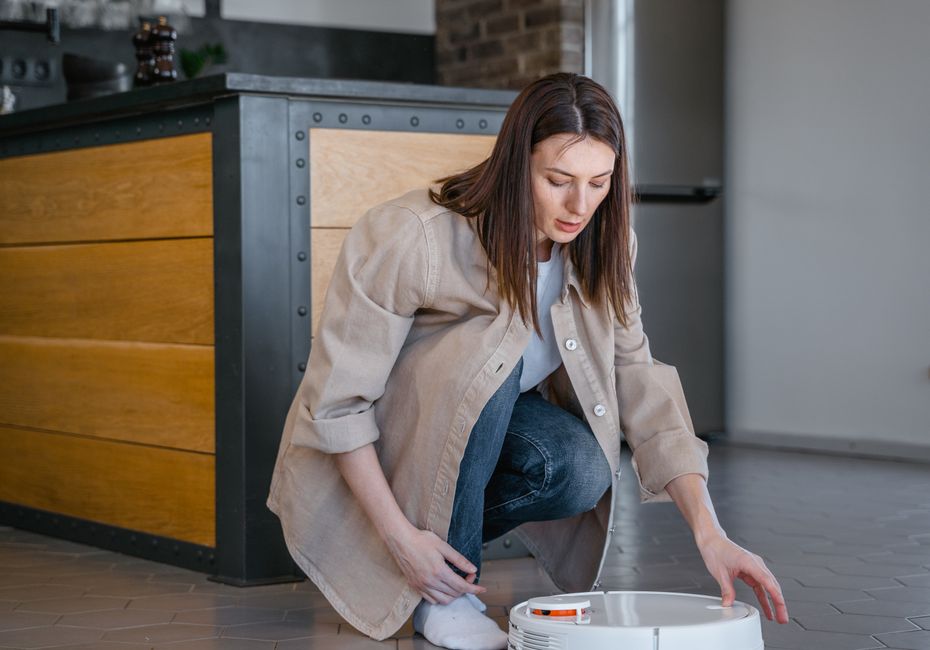
What Robot Vacuums Do Well
Robot vacuums excel at frequent maintenance cleaning. Running one daily or every few days keeps dust, crumbs and pet hair under control, which means floors stay consistently cleaner between deeper cleaning sessions.
They are especially helpful for households with pets, allergies or busy schedules. Regular automated cleaning reduces the amount of hair and dust that accumulates on floors and under furniture.
Their low profile allows them to clean under beds, sofas and cabinets. These hard-to-reach areas often collect dust that would otherwise require moving furniture or crawling on the floor with a traditional vacuum.
Scheduling makes cleaning effortless. You can set a robot to clean while you are at work or out running errands, so you come home to cleaner floors without hearing the vacuum running.
Robot vacuums are not complete replacements for traditional vacuums. Stairs, upholstery, deep carpet cleaning and tight corners still require occasional manual cleaning, so think of a robot as a helpful assistant rather than a total solution.
Navigation and Mapping
Navigation technology has a major impact on performance. Basic models move in random patterns and bump into obstacles, which can leave spots uncleaned and take longer to cover a room.
Smarter models use laser sensors, often called lidar, or cameras to map your home. They clean in efficient rows, remember room layouts and can return to the dock and resume cleaning when needed.
Mapping enables helpful features through the companion app. You can create no-go zones, clean specific rooms on demand and set different schedules for high-traffic areas such as kitchens and entryways.
Obstacle avoidance is another important feature. Advanced models can recognize and avoid cords, socks, pet waste and small objects, reducing the need to tidy the floor before each cleaning session.
Multi-floor mapping allows a robot to remember several levels of a home. You will still need to carry it between floors, but it will recognize each level and clean according to the saved map.
Consider your home layout when comparing models. Homes with many rooms, furniture and obstacles benefit most from advanced navigation, while simple open spaces may work well with more basic robots.
Suction, Brushes and Floor Types
Suction power affects how well a robot handles carpets and embedded debris. Hard floors require less suction, while thick carpets and rugs benefit from stronger suction and automatic carpet boost features.
Brush design matters for homes with pets or long hair. Rubber brush rolls resist hair tangling better than traditional bristle brushes, reducing the time you spend cutting hair off the roller.
Side brushes help sweep debris from edges and corners. Even with side brushes, however, the round or rounded-square shape of many robots means corners may not be cleaned as thoroughly as open floor space.
Height clearance is important. Measure the space under your furniture and compare it with the robot height to ensure it can reach under beds and couches without getting stuck.
Thresholds and rug edges can challenge some robots. Most can climb small transitions, but thick rugs, high door thresholds and loose tassels may require adjustments or no-go zones.
Dark carpets can sometimes confuse cliff sensors, which are designed to prevent falls down stairs. Reviews often mention whether a model has trouble with dark flooring, which is worth checking if your home has it.
Self-Emptying Bases and Mopping
Self-emptying bases automatically remove debris from the robot after each run. The base stores dirt in a larger bag or bin, meaning you may only need to empty it every few weeks instead of after every cleaning.
These bases add convenience but increase the price and take up more floor space. Many also require replacement bags, which adds an ongoing cost to consider when comparing models.
Hybrid robots combine vacuuming and mopping. Basic models drag a damp cloth behind the vacuum, while advanced versions scrub floors with rotating pads, lift mops when they detect carpets and wash their own mop pads at the dock.
Mopping robots work best for light maintenance on hard floors. They can remove dust and light spills, but they are not designed to replace a thorough manual scrub for sticky messes or heavily soiled floors.
Docks with mop washing and drying features reduce odors and maintenance. They require refilling clean water tanks and emptying dirty water tanks regularly, so consider how much upkeep you are willing to handle.
Maintenance, Costs and Privacy
Robot vacuums require regular maintenance. Brushes, filters and side brushes need cleaning and periodic replacement, and sensors should be wiped occasionally to maintain accurate navigation.
Factor replacement parts into the total cost. Filters, brushes, bags and mop pads are consumables, and buying from reputable sources ensures they fit properly and perform as intended.
Battery life determines how much area a robot can clean on one charge. Larger homes benefit from longer battery life or recharge-and-resume features, which allow the robot to finish the job automatically.
Privacy deserves consideration, especially for models with cameras. Review what images and maps are stored, whether data is uploaded to the cloud and what privacy controls the companion app provides.
Secure the app account with a strong password and two-factor authentication. Keeping firmware updated helps protect connected devices from security vulnerabilities and improves cleaning performance over time.
Chosen thoughtfully, a robot vacuum can save hours of cleaning time each month. Matching navigation, suction and features to your home ensures you get a helpful cleaning assistant rather than a gadget that sits unused.