Payment apps make it easy to split dinner, pay rent or send money to family in seconds. That speed is also what makes them attractive to scammers. Here is how to use them safely.
How Payment Apps Work
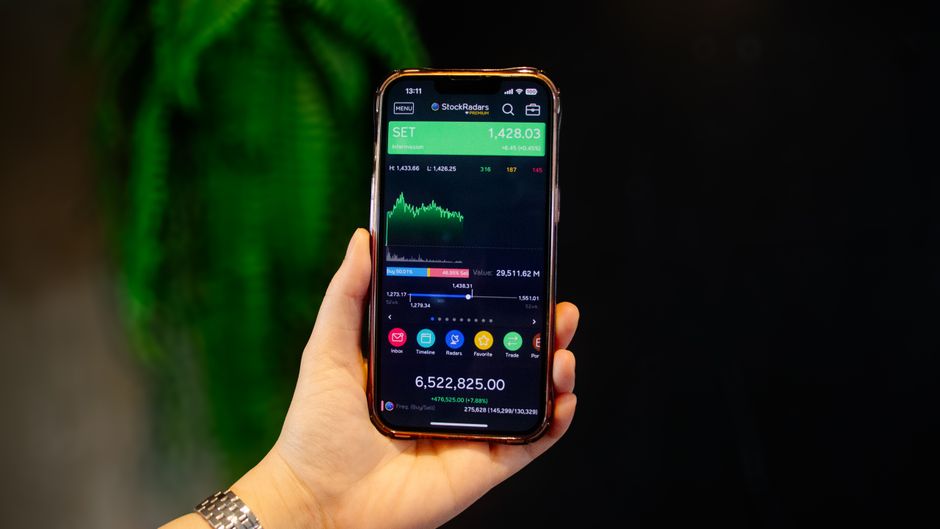
Peer-to-peer payment apps let you send money directly to another person using a phone number, email address or username. The money comes from a linked bank account, debit card, credit card or a balance held in the app. Many transfers arrive within seconds or minutes.
Some services move money directly between bank accounts, while others hold funds in an app balance until you transfer them to your bank. Understanding where your money sits matters, because an app balance may not have the same protections as a bank deposit.
Most apps offer standard transfers to your bank for free and instant transfers for a small fee. The fee is often a percentage of the amount, so moving large sums instantly can become surprisingly expensive.
Payments are designed to work like handing someone cash. Once you send money to the wrong person or a scammer, it can be very difficult to recover. That is the most important thing to understand before relying on these apps.
Payment apps were built for sending money to people you know and trust. Using them for purchases from strangers, online marketplaces or unfamiliar businesses introduces risks that the apps were never designed to handle.
The Most Common Scams
Fake seller scams are among the most common. A seller on an online marketplace asks for payment through an app, takes the money and never delivers the item. Because the payment was sent like cash, the app may not be able to reverse it.
Accidental payment scams start with a message saying someone sent you money by mistake. The scammer asks you to send it back, but the original payment came from a stolen account and is later reversed. You end up losing the money you returned.
Impersonation scams involve criminals posing as your bank, a utility company or the payment app itself. They may claim your account is compromised and instruct you to send money to yourself or to a safe account, which actually belongs to them.
Overpayment scams target sellers. A buyer sends more than the asking price and requests a refund of the difference, but the original payment is fraudulent and later disappears. The seller loses both the item and the refund.
Romance and friendship scams build trust over weeks or months before asking for money. Requests may involve emergencies, travel costs or investment opportunities, and the emotional connection makes victims less likely to question them.
Protections and Their Limits
Federal rules generally protect consumers from unauthorized electronic transfers, such as when someone hacks your account and sends money without permission. Reporting the problem quickly to your bank or the app is essential to use these protections.
Protection is much weaker when you authorize a payment yourself, even if you were tricked into doing it. Many apps and banks treat these as authorized transactions, which means recovering the money is not guaranteed.
Some apps offer purchase protection when you pay a business or use a specific goods and services option. These programs may charge a fee to the seller but can provide a way to dispute a transaction if an item never arrives.
Paying with a credit card linked to an app may provide additional protection in some cases. However, credit card protections do not always extend to person-to-person transfers, so check the terms before relying on them.
The safest assumption is that a payment sent through an app is final. Treating every transfer like cash leaving your wallet encourages the careful habits that prevent losses.
Safe Habits for Everyday Use
Send money only to people you know and trust. For purchases from strangers, use payment methods that offer buyer protection, such as credit cards or the official checkout systems of marketplace platforms.
Double-check the recipient before every payment. Many accounts have similar names, and a single wrong digit in a phone number can send money to a stranger. Sending a small test payment to a new contact can confirm the details first.
Turn on security features in the app, including a passcode, biometric login and two-factor authentication. Strong account security prevents criminals from accessing your app even if they obtain your password.
Never share verification codes or passwords with anyone who contacts you. Real banks and payment apps will not call or message asking you to read back a code or move money to protect your account.
Review your transaction history regularly and enable notifications for every payment. Spotting an unfamiliar transfer quickly gives you the best chance of stopping further fraud.
What to Do If Something Goes Wrong
If you sent money to a scammer, contact the app and your bank immediately. Explain what happened and ask whether the payment can be stopped or reversed, since some transfers can still be canceled if they have not been completed.
If your account was accessed without permission, change your password, enable two-factor authentication and review linked bank accounts and cards. Report the unauthorized activity right away to preserve your rights.
Report the scam to the Federal Trade Commission and, if appropriate, local law enforcement. Reports help authorities track scam patterns and may be required by your bank during an investigation.
Watch out for recovery scams. Criminals sometimes contact victims claiming they can recover lost money for a fee, which only leads to additional losses.
Payment apps are convenient tools when used carefully. By sending money only to trusted people, verifying details and protecting your account, you can enjoy the speed of digital payments without becoming an easy target.