

Choosing between a gaming console and a gaming PC affects what you play, how much you spend and how you play. Here is how the two platforms compare so you can pick the one that fits your life.
The Core Difference
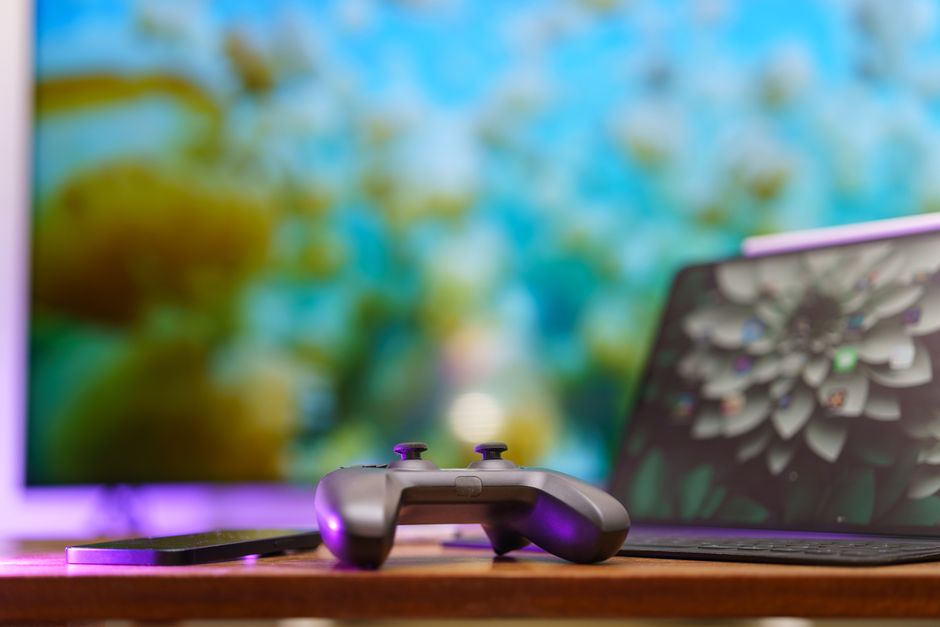
Gaming consoles are dedicated machines designed to connect to a TV and play games with minimal setup. You plug them in, sign in and start playing, with hardware and software designed to work together smoothly.
Gaming PCs are general-purpose computers built or configured for gaming. They offer more flexibility and potential performance, but they require more decisions about hardware, setup and ongoing maintenance.
Consoles provide a consistent experience. Every owner of the same console has the same hardware, which allows developers to optimize games carefully and reduces compatibility problems.
PCs vary widely. Performance depends on the components inside, from the graphics card and processor to memory and storage, so two gaming PCs can deliver very different experiences.
Neither platform is objectively better. The right choice depends on your budget, favorite games, comfort with technology and whether you prefer playing on a couch or at a desk.
Many players eventually use both. A console may serve as the family entertainment system in the living room, while a PC handles competitive online games, strategy titles and other computer tasks.
Upfront and Long-Term Costs
Consoles generally have a lower upfront price. For the cost of a console, you get a complete gaming system that delivers strong performance on a modern TV.
Gaming PCs usually cost more to buy, especially for high-end performance. However, a PC also serves as a computer for work, school, browsing and creative projects, which can offset part of the cost.
Online multiplayer on consoles typically requires a paid subscription. These subscriptions often include monthly games and cloud saves, but they add a recurring cost over the life of the console.
Most online multiplayer on PC is free beyond the cost of the game. This difference can add up over several years, particularly for players who spend most of their time in online games.
Game prices vary on both platforms. PC games are frequently discounted through digital store sales, while console players can buy physical copies and resell them, which can reduce long-term costs.
Consider accessories in your budget. Extra controllers, headsets, storage expansions and subscriptions add to console costs, while PCs require a monitor, keyboard, mouse and possibly a headset.
Game Libraries and Exclusives
Each console has exclusive games that are available only on that platform or arrive there first. If a particular franchise matters to you, that alone may determine which platform you choose.
PCs offer the largest overall game library. Many independent games, strategy titles, simulations and online games are available primarily on PC, and older games often remain playable for years.
Some console exclusives eventually arrive on PC, though often after a delay. If you are patient, a PC may eventually provide access to many games that originally launched on consoles.
Game subscription services have changed how people play. Some offer large rotating libraries for a monthly fee on consoles and PCs, providing a cost-effective way to try many games.
Mods are a major advantage of PC gaming. Players can download community-made content that adds features, improves graphics or extends favorite games long after release.
Backward compatibility varies by console. Some consoles play many games from previous generations, while PCs often run older games more easily, sometimes with fan-made patches or compatibility tools.
Performance and Convenience
Modern consoles deliver impressive graphics and smooth performance for their price. Developers optimize games specifically for console hardware, creating a polished experience on a TV.
High-end gaming PCs can exceed console performance with higher frame rates, higher resolutions and advanced visual features. Competitive players often prefer PCs for their smoother gameplay and responsiveness.
Consoles are more convenient for casual play. They start quickly, update automatically and rarely require adjusting settings, which appeals to families and players who simply want to relax.
PCs offer more control over settings. Players can adjust graphics, frame rates, controls and other options, but this flexibility can involve troubleshooting drivers, updates and compatibility issues.
Input preferences also matter. Consoles are designed around controllers, while PCs support controllers as well as keyboard and mouse, which many players prefer for shooters and strategy games.
Portable options blur the lines further. Handheld gaming PCs and portable consoles allow you to play away from a TV or desk, adding another consideration for players who travel or commute.
Upgrades and Longevity
Consoles generally remain unchanged throughout a generation, which may last several years. Mid-generation versions sometimes appear with improved performance, but most owners keep the same console for years.
PCs can be upgraded gradually. Replacing a graphics card, adding memory or upgrading storage can extend the life of a PC and improve performance without buying an entirely new system.
Upgrading requires some knowledge and comfort with hardware. Many components are straightforward to install, but compatibility between parts must be checked carefully before buying.
Resale value is another consideration. Consoles often retain value well, especially popular models, while PC components can be sold individually when upgrading.
Choose a console if you want simplicity, a lower upfront cost, exclusive games and couch gaming. Choose a PC if you want maximum flexibility, performance, a vast game library and a computer for other tasks.
Whichever platform you choose, focus on the games you want to play and how you enjoy playing them. The best gaming platform is the one that brings you the most fun for your budget and lifestyle.